Wisdom Teeth Extraction: Your Complete Guide to Understanding the Procedure, Recovery, and Life After
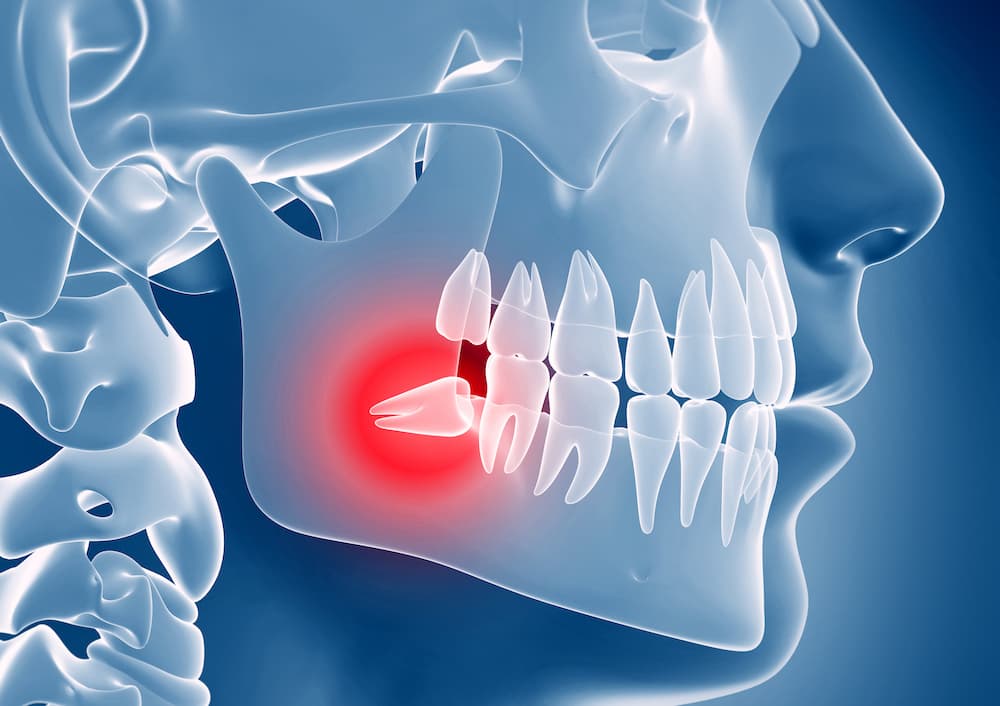
At some point in your life, probably between the ages of 16 and 25, your dentist will likely use a concerning phrase: "We need to talk about your wisdom teeth." For many people, hearing this triggers anxiety. The word "extraction" sounds painful. Stories from friends about their swollen cheeks and limited diet for weeks make you nervous. You might wonder: Do I really need to extract them? Will it hurt? How long is the recovery? Can something go wrong?
The truth is, wisdom teeth extraction is one of the most common oral surgical procedures performed today. Millions of people in Jamaica and around the world have had them removed successfully. While the procedure does require proper preparation and aftercare, it is far less dramatic than many imagine. Understanding what actually happens during the process, why it may be necessary, and what to expect during recovery will transform your anxiety into knowledge and confidence.
What Exactly Are Wisdom Teeth?
Wisdom teeth are the third and final set of molars that develop in the human mouth. They are called "wisdom teeth" because they typically emerge when you are older and presumably wiser than when your other teeth came in. In your mouth right now, you probably have 28 permanent teeth. Wisdom teeth are numbers 29, 30, 31, and 32—the four extra molars that may or may not ever fully appear.
Thousands of years ago, when our ancestors ate rough, tough food like raw meat, nuts, and plants, they absolutely needed these extra grinding teeth. But modern humans eat cooked, processed, and softer foods. Our jaws are also smaller than our ancestors' jaws. This evolutionary mismatch means that wisdom teeth often have nowhere to go in our mouths. They are like guests arriving at a party that is already full.
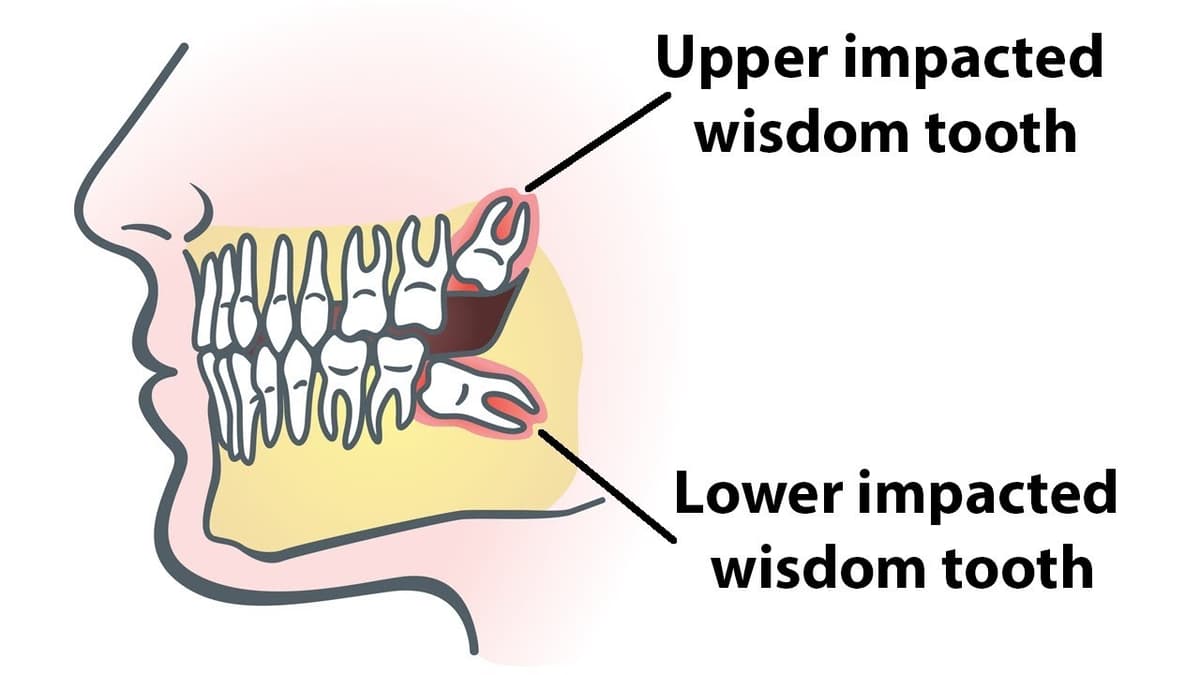
When wisdom teeth try to emerge but do not have enough space, they become "impacted." This means they grow at strange angles—sideways, backwards, or partially buried in the bone. This is when problems start to develop, and extraction usually becomes the best solution.
Why Do Wisdom Teeth Need to Be Extracted?
Not every wisdom tooth requires extraction. Some people have enough space and their wisdom teeth come in straight and healthy. However, for many others—perhaps up to 85% of people—extraction becomes necessary. Here are the most common reasons:
Impaction and Pain
When wisdom teeth are impacted (stuck beneath the gum or bone), they push against your other teeth and roots. This causes sharp, throbbing pain in the jaw, especially when chewing. The pain may come and go, or it may be constant. Eventually, the pressure can damage the roots of neighboring teeth.
Crowding and Misalignment
Wisdom teeth can push your other teeth around, causing crowding. If you wore braces and had your teeth straightened, wisdom teeth can undo all that hard work and expense. Your straight smile can become crooked again within months or years.
Gum Disease and Decay
Wisdom teeth are located at the very back of your mouth, making them difficult to clean with a toothbrush or floss. Partially impacted wisdom teeth create deep pockets where bacteria accumulate. This leads to infections, gum disease, and cavities that spread to nearby teeth.
Cysts and Bone Damage
Sometimes, a sac (cyst) can form around an impacted wisdom tooth. If left untreated, this cyst can grow and damage the jawbone and teeth around it. This is a serious condition that requires extraction and sometimes additional surgery.
Sinus Problems
Upper wisdom teeth are very close to your sinuses. If a wisdom tooth becomes infected or creates pressure, it can lead to sinus pain, congestion, or repeated sinus infections. Extraction can resolve these issues immediately.
What Are the Warning Signs?
If you experience any of the following symptoms, it is time to visit your dentist for an evaluation:
Understanding the Extraction Procedure: Step-by-Step
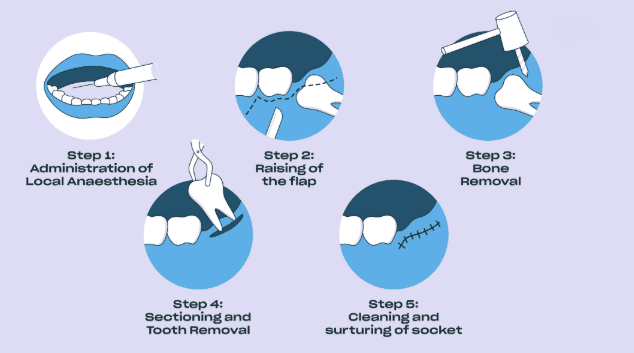
Wisdom tooth extraction is an oral surgical procedure that typically takes 20 to 40 minutes per tooth, though it can be longer depending on the complexity. Here is what actually happens:
Pre-Operative Consultation
Before any procedure, your dentist or oral surgeon will take X-rays and 3D scans to assess the position and angle of your wisdom teeth. They will discuss your medical history, any medications you take, and potential complications. You will receive detailed instructions about fasting (typically 6-8 hours before surgery) and what to avoid.
Anesthesia Administration
Your mouth will be numbed with local anesthesia. Many patients also choose sedation (twilight sleep) so they are relaxed but not fully asleep. Some opt for general anesthesia for all four teeth at once. You will feel no pain during the procedure, though you may feel pressure and hear sounds.
Incision and Bone Removal
If the wisdom tooth is impacted, your surgeon will make an incision in the gum tissue to access it. Sometimes, a small amount of bone covering the tooth must be removed. This is routine and completely normal.
Tooth Removal
Using specialized instruments, your surgeon carefully removes the tooth. If the tooth is particularly impacted, it may be divided into smaller sections for easier removal. This is called "sectioning" and is a standard technique.
Socket Cleaning and Stitching
The empty socket is carefully cleaned of any remaining debris or bone fragments. If necessary, bone grafting material may be placed to promote healing. Self-dissolving stitches are placed to close the incision and help control bleeding.
Recovery in the Clinic
You will spend time in a recovery area as the anesthesia wears off. A gauze pad will be placed over the socket to control bleeding. You will be given specific post-operative instructions and, if needed, prescription painkillers before you go home.
Will It Hurt? Managing Pain and Discomfort
This is the question everyone asks. Here is the honest answer: During the procedure, you will not feel sharp pain because of anesthesia. You may feel pressure and hear sounds, but pain is not part of the experience. After the procedure, however, discomfort is normal and expected.
The First 24 Hours (Acute Phase)
The first day is typically the most uncomfortable. You may experience:
- Significant swelling, especially on days 2-3
- Moderate to severe pain (controlled with medication)
- Bleeding (normal for the first 24 hours)
- Difficulty eating and drinking
Days 3-7 (Subacute Phase)
Pain typically peaks around day 3, then steadily improves:
- Swelling starts to decrease
- Pain reduces to mild-moderate, manageable with over-the-counter pain relievers
- Bruising may appear (this is normal)
- You can gradually return to soft foods
Weeks 2-4 (Recovery Phase)
Most people return to normal activities:
- Minimal pain, usually only if you overdo physical activity
- Return to regular diet and exercise
- Bone healing continues under the surface (invisible)
Medication and Pain Management
Your dentist will typically prescribe strong pain medication (like ibuprofen 600mg or prescription opioids for complex cases). Take medication as prescribed, even if pain is mild—staying ahead of pain is easier than catching up. Most people need medication for 3-5 days, then switch to over-the-counter options. Applying ice packs for 20 minutes at a time during the first 48 hours also helps reduce pain and swelling.
Complete Aftercare Guide: Recovery Essentials
The first week after extraction is critical for proper healing. Follow these guidelines carefully to minimize complications and ensure smooth recovery:
First 48 Hours: Critical Care
Rest and Elevation
Sleep with your head elevated on 2-3 pillows to minimize swelling. Avoid strenuous activity, heavy lifting, and bending over. Swelling peaks on days 2-3, so rest now prevents complications later.
Ice Application
Apply ice packs 20 minutes on, 20 minutes off for the first 48 hours. This reduces swelling, numbs pain, and constricts blood vessels. After 48 hours, switch to heat if you still have swelling.
Diet
Stick to soft, cool foods: ice cream, yogurt, smoothies, mashed potatoes, soup (lukewarm, not hot), applesauce, and pudding. Avoid hot foods and drinks for at least 5-7 days as heat can increase bleeding.
Bleeding Management
Bite down gently on gauze for 30-45 minutes to form a blood clot. Do not disturb the clot by rinsing, spitting, or using a straw (suction can dislodge it). Some oozing for 24 hours is normal.
Days 3-7: Active Healing Phase
Oral Hygiene
After 24 hours, you can gently rinse with warm salt water (1/2 teaspoon salt in 8 oz water) after meals. Do not brush the extraction site for 2 weeks. Continue brushing your other teeth gently.
Activity Level
Gradually increase activity. Light walking is fine, but avoid running, swimming, sports, and gym for at least 7 days. Increased blood pressure from exercise can cause bleeding and delayed healing.
Smoking and Alcohol
Avoid smoking for at least 72 hours (ideally 1 week). Smoking delays healing and increases infection risk. Avoid alcohol, especially with prescription pain medication, which can cause dangerous interactions.
Weeks 2-4: Returning to Normal
Diet Progression
After 1 week, gradually introduce soft solid foods: scrambled eggs, pasta, well-cooked vegetables, tender chicken. By week 2-3, most people can eat normally, avoiding only hard, crunchy foods.
Oral Hygiene
After 2 weeks, you can gently brush the extraction site. Continue salt water rinses after meals for 1-2 weeks. Be very gentle—do not disturb the healing tissues.
Follow-up Appointment
Visit your dentist 7-10 days after extraction for suture removal (if needed) and to check healing progress. Report any unusual symptoms immediately.

Myths vs. Reality: Debunking Common Fears
Myth: "All wisdom teeth must be extracted."
Reality: Not all wisdom teeth cause problems. If they are healthy, properly positioned, fully erupted, and you can clean them properly, extraction may not be necessary. However, if there is any doubt about future complications, extraction is often recommended preventatively, especially since extraction is easier when you are younger.
Myth: "Extraction causes permanent jaw damage."
Reality: Extraction does not cause permanent jaw damage when performed properly by a qualified dentist or oral surgeon. The bone heals completely within 3-4 weeks. Temporary stiffness and soreness are normal but resolve completely.
Myth: "Recovery takes months."
Reality: While complete bone healing takes several months, most people feel almost normal within 7-10 days. You can return to work and daily activities within a few days for simple extractions, and 1-2 weeks for complex cases. Full activity can usually resume within 2-3 weeks.
Myth: "Extraction will make me lose my teeth faster."
Reality: Actually, extracting problem wisdom teeth protects your other teeth. Impacted wisdom teeth push on your other molars, causing damage. Removing them prevents future decay, gum disease, and loss of healthy teeth.
Myth: "You can get all four extracted at once safely."
Reality: While some people do extract all four simultaneously under general anesthesia, this is controversial. Many experts recommend extracting one side (upper and lower) at a time, with 2-4 weeks between sides. This allows you to chew on the opposite side during recovery. Discuss options with your surgeon.
When to Contact Your Dentist: Warning Signs
Most extractions heal without complications. However, watch for these warning signs and contact your dentist immediately if they occur:
Wisdom Teeth Extraction in Jamaica: What You Need to Know
In Jamaica, access to quality oral surgical care has improved significantly in recent years. Whether you live in Montego Bay, Kingston, or elsewhere on the island, understanding your options for wisdom tooth extraction is important:
Professional Expertise
Top Dental Clinic and other facilities in Jamaica have experienced oral surgeons trained in extraction techniques. Many have studied internationally and stay current with latest methods.
Modern Equipment
Quality facilities have 3D imaging, modern surgical instruments, and sedation options. This significantly reduces pain, recovery time, and risk of complications.
Cost Considerations
Extraction costs vary based on complexity. Simple extractions are less expensive than surgical removal of impacted teeth. Many clinics offer payment plans to make treatment accessible.
Climate Considerations
Jamaica's hot, tropical climate requires extra care during recovery. Stay hydrated, keep cool, and be cautious about infection risk due to heat and humidity.
Take Control of Your Oral Health Today
If your dentist has recommended wisdom teeth extraction, you now understand what that actually means. You know the procedure is routine, safe when performed by qualified professionals, and temporary discomfort is followed by long-term benefits. You know what to expect before, during, and after. Most importantly, you understand that extraction prevents much bigger problems down the road.
Wisdom teeth that grow improperly can damage your bite, accelerate gum disease, cause chronic pain, and eventually cost you far more in time, money, and stress than preventative extraction. Taking action now is an investment in your future oral health and overall quality of life.
Do not let fear or misconceptions keep you from making the best decision for your teeth and your health.
If you are in Montego Bay or anywhere in Jamaica and need professional evaluation and treatment for your wisdom teeth, Top Dental Clinic is here to help. Dr. Yanelis Golbourne Durades and our experienced team have successfully guided hundreds of patients through this process. We understand your concerns, we answer all your questions, and we use advanced techniques to make your experience as comfortable and efficient as possible.
Your smile is too important to delay. If you suspect problems with your wisdom teeth or simply want to know if extraction is necessary, schedule your consultation today.
Ready to Address Your Wisdom Teeth?
Schedule your wisdom teeth evaluation today. Our experienced team will assess your situation and discuss all your options in a comfortable, judgement-free environment.