Why Is It Important to Take Your Child to the Dentist?

If your little one has just got their first tooth, you may be wondering: do they really need to see a dentist already? It is a fair question. Many parents think a visit can wait until all the baby teeth come in, or until something hurts.
In fact, a first dental visit is about more than checking for cavities. It gives you a chance to ask questions, learn simple ways to protect your child's teeth, and help your child get comfortable with dental care while their smile is still developing.
Four Good Reasons to Start Early
Spot small problems before they grow
Early tooth decay may not hurt at first, and young children cannot always explain what feels wrong. A dental check lets the team look for early changes and talk through what to do next.
Protect the teeth children use every day
Baby teeth help children bite, chew, speak, and hold space for adult teeth. They are temporary, but keeping them healthy matters while they are in the mouth.
Get advice that fits your child
A dentist can consider your child's teeth, habits, health, and risk of tooth decay when giving advice about brushing, fluoride, food, drinks, and the timing of future visits.
Help dental visits feel familiar
A calm first visit gives your child a chance to meet the dental team before there is an urgent problem. Familiarity can make future appointments feel less daunting.
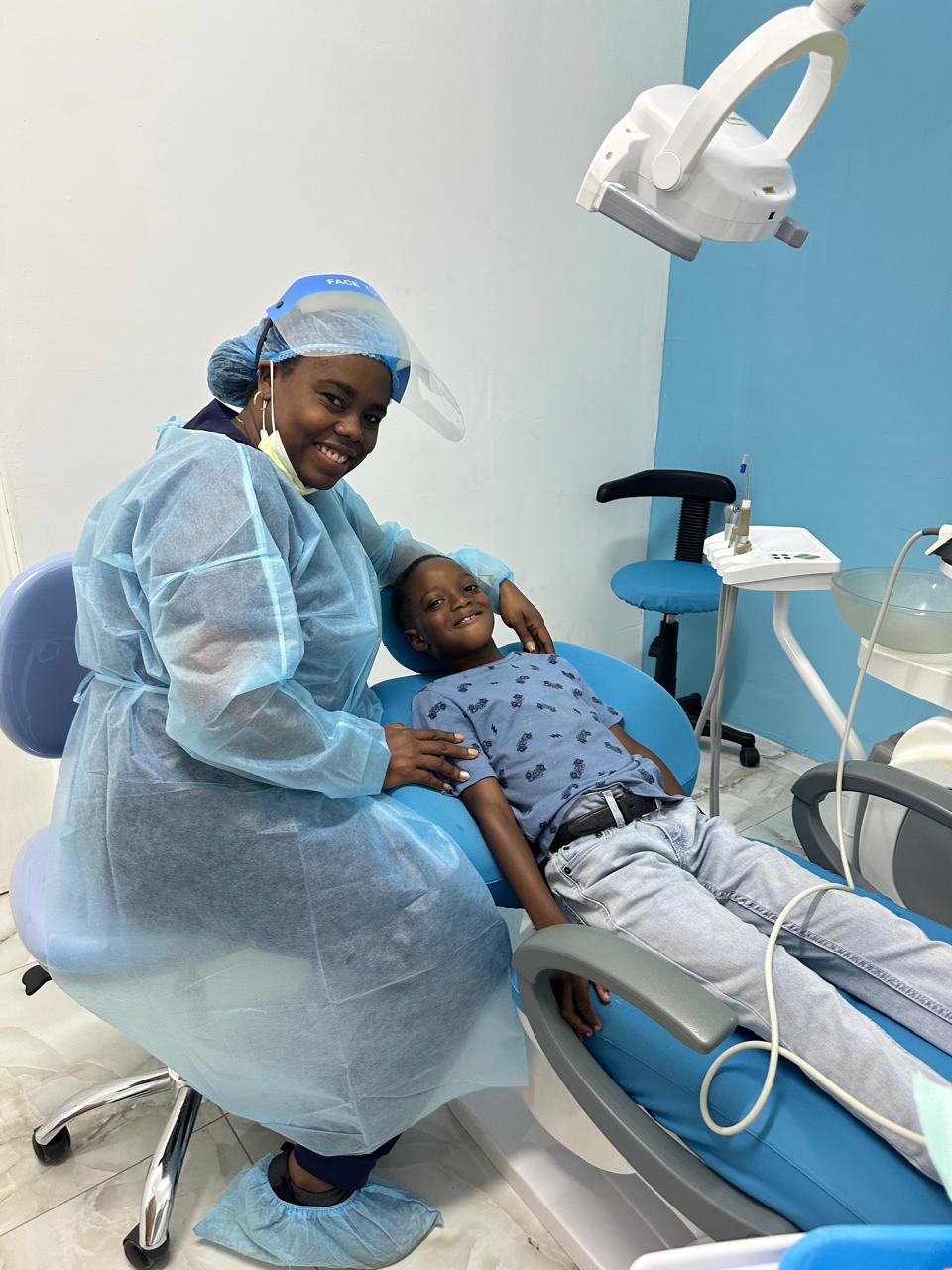
When Should Your Child Have Their First Dental Visit?
The American Academy of Pediatric Dentistry recommends that a child have their first dental visit when the first tooth comes in, and no later than their first birthday. This early appointment helps the dentist check development and talk with you about prevention, even if your child only has a few teeth.
After that, there is no single return schedule that fits every child. The dentist can suggest a timing based on your child's teeth, health, and risk of tooth decay. If your child has discomfort or you notice a change, call the dental office for advice rather than waiting for the next routine visit.
What Happens at a Child's Dental Checkup?
A conversation with you
The dentist may ask about your child's health, medicines, eating and drinking habits, brushing routine, and any concerns you have noticed. Sharing the details helps the team make the visit suitable for your child.
A gentle look in the mouth
The dentist checks the teeth and gums and may look at how the teeth are developing. For a very young child, the examination can be brief and adapted to their age and comfort.
Simple, practical guidance
You can ask for help with brushing, choosing toothpaste, managing snacks and drinks, or preparing for teething. If anything needs follow-up, the dentist should explain why and discuss the next steps with you.
Small Habits That Help Protect Little Teeth
Brush twice a day with help
Brush with fluoride toothpaste in the morning and before bed. An adult should help or supervise young children, as they may not yet be able to clean every tooth well on their own.
Use an age-appropriate amount
Use a smear about the size of a grain of rice for children under three, and a pea-sized amount from ages three to six. Encourage your child to spit rather than swallow. Ask your dentist if you are unsure what is right for your child.
Make water the everyday choice
Frequent sugary snacks and drinks can increase the risk of cavities. Keep sweet treats occasional, and offer water between meals where possible. Your dentist can give advice that works for your family.
Keep an eye out for changes
Contact a dentist if you notice a toothache, sensitivity, swelling, a spot or hole on a tooth, or trouble eating. These signs do not tell you the cause on their own, but they are good reasons to ask for professional advice.
Common Questions Parents Ask
“My child still has baby teeth. Do they really need dental care?”
Yes. Baby teeth can develop cavities and may become painful or infected. They also help children eat and speak comfortably and guide adult teeth into place. Their temporary nature does not make pain or decay something to ignore.
“Should we wait until my child has a toothache?”
It is better not to wait for pain. Some problems are easier to manage when noticed early, and a first visit is also a chance to learn how to lower your child's risk of tooth decay.
“Does every child need a checkup every six months?”
Not necessarily. The right interval depends on your child's oral health and individual risk. Your dentist can recommend when to return; follow that plan rather than assuming the same schedule suits every child.
“Will my child automatically need X-rays or treatment?”
No. X-rays and treatment are not automatic at every visit. The dentist recommends them only when they are useful for your child's situation. Ask what a test or treatment is for and what choices are available.
“What if my child is scared or cries?”
That can happen, especially in a new place. Tell the clinic when you book so the team knows what to expect. Speak calmly, bring a familiar comfort item if the clinic allows it, and let the dentist guide the visit at your child's pace.
Planning a Child's Dental Visit in Jamaica
Whether you are in Montego Bay or elsewhere in Jamaica, call the clinic before your visit if you have questions about what the appointment includes, fees, or how to prepare your child. Services and costs can vary by provider, so confirming details ahead of time can help you plan.
If you are not sure where to start, you can also ask a local health centre or dental professional about available options for your child. If there is pain or swelling, mention it when you call so the team can advise you on how soon your child should be seen.
You can read more about caring for teeth at home and what routine dental checkups involve.
Ready to Book Your Child's First Visit?
Our team at Top Dental Clinic in Montego Bay can answer your questions and help you plan a comfortable visit for your child.