Bridge the Gap: Your Complete Guide to Fixed Dental Prosthesis and Restoring Your Confident Smile
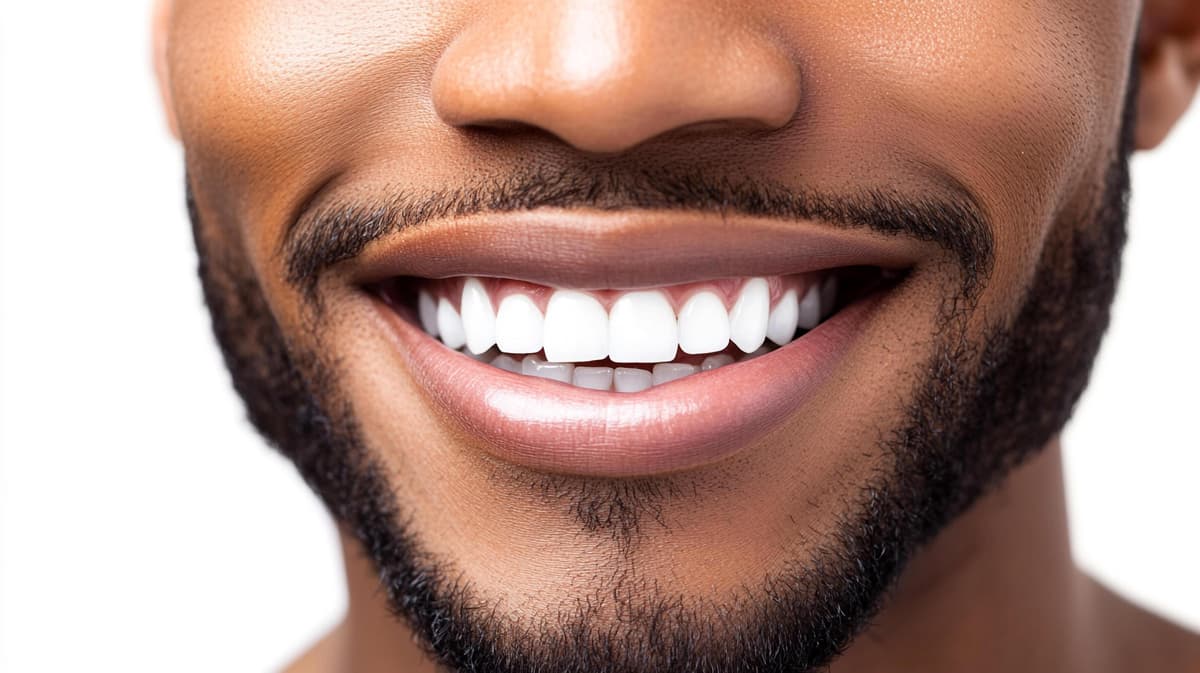
If you have ever broken a bridge in a garden, you know that sometimes the best solution is not to rebuild everything from scratch. Instead, you build a strong bridge from one solid side to the other, spanning across the gap. Your teeth work the same way. When you are missing one or more teeth in a row, there is an elegant solution that has been helping people smile with confidence for over a hundred years: the fixed dental prosthesis.
Unlike removable dentures that come out at night, or dental implants that require several months of waiting and a surgical procedure, a fixed prosthesis offers a middle ground that is quick, effective, and gives you back your normal life almost immediately. But before you rush to your appointment, there are important things you should know. This guide will show you exactly how they work, what to expect, and why they might be the perfect solution for your smile.
What Exactly Is a Fixed Dental Prosthesis?
A fixed dental prosthesis is a custom-made tooth (or teeth) that is permanently attached to your healthy remaining teeth. Think of it this way: if your tooth is like a pillar holding up a roof, then those strong adjacent teeth can be modified to support a beautiful bridge that fills the gap where your missing tooth should be.
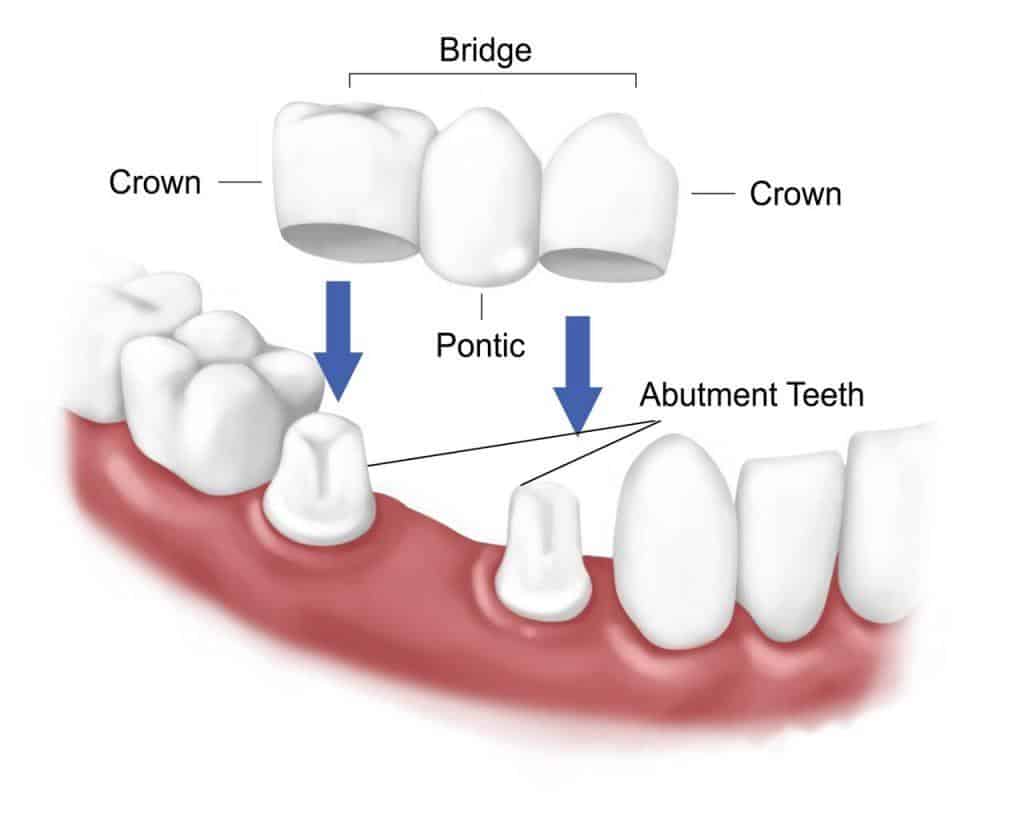
The most common type is called a "bridge." It usually consists of two crowns (which cover and protect your real teeth) and a fake tooth (called a pontic) that sits in the middle, suspended between them. From the outside, you cannot tell the difference between your natural teeth and this prosthesis. From the inside, it is permanently cemented in place with a special dental glue, so you never have to remove it.
The materials used are typically made of strong porcelain fused to metal, or all-ceramic. These materials are chosen because they are incredibly durable, they never decay, and they look exactly like real teeth. They are stain-resistant and, with proper care, can last for fifteen to twenty years or even longer.
How Does It Compare to Other Solutions?
If you are researching ways to replace a missing tooth, you have probably heard about several options. Let us compare the most common ones:
Fixed Prosthesis vs. Removable Dentures
With dentures, you take them out every night, soak them in solution, and put them back in every morning. They can slip around while you eat, and older relatives often have horror stories about them falling out at embarrassing moments. A fixed prosthesis stays in your mouth 24/7, just like a real tooth. You can eat anything, laugh freely, and never think about it again.
Fixed Prosthesis vs. Dental Implants
Dental implants are wonderful, but they require surgery and three to six months of waiting for your bone to fuse to the metal screw. A fixed prosthesis can be done in two to three visits over about a week. Implants are also significantly more expensive. However, implants do not rely on your other teeth, so they do not require damaging healthy teeth to support them. This is an important trade-off to consider.
Fixed Prosthesis vs. Single Crown
A single crown is placed on top of a single tooth, usually to protect a tooth that has had a root canal or is heavily damaged. A fixed prosthesis (bridge) is used when you are missing a tooth completely and need to span the gap between two teeth. Both are permanently cemented, but their purpose and design are quite different.
Why Choose a Fixed Dental Prosthesis?
Fixed dental prosthesis have remained one of the most popular tooth replacement solutions for good reason. Here are the main advantages:
Fast and Convenient
Unlike implants, there is no surgery and no months of waiting. Most fixed prosthesis are completed in just two to three appointments spread over one to two weeks. You get your gorgeous smile back quickly.
Highly Affordable
Compared to implants or multiple cosmetic procedures, a fixed bridge is one of the most cost-effective ways to replace a missing tooth. This makes it accessible for more people in Jamaica and the Caribbean who want to invest in their smiles without breaking the bank.
Completely Natural Looking and Feeling
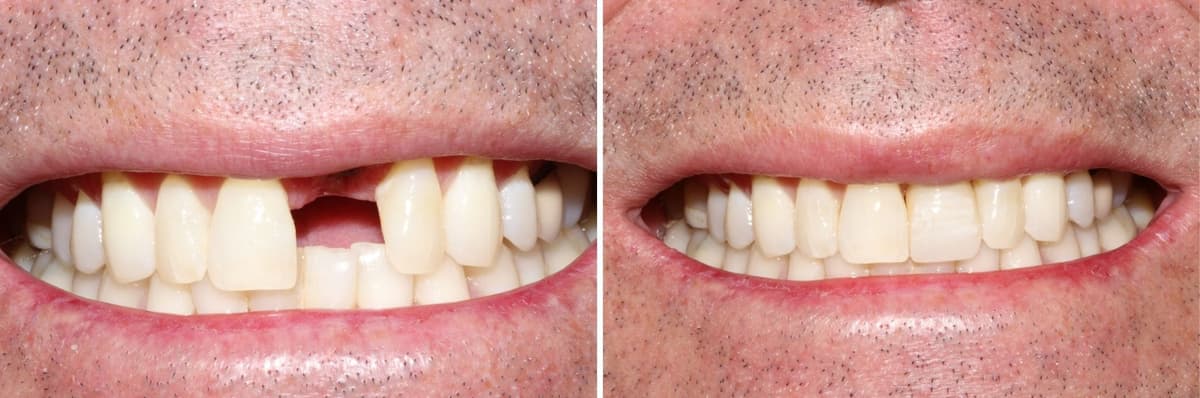
Because the prosthesis is custom-made to match your exact tooth color, shape, and bite, nobody will ever know you have one. You chew with it, speak with it, and live your life with it without any special care or attention.
Prevents Bone Loss
When you chew with a fixed prosthesis, the pressure goes through the supporting teeth to your jaw bone. This keeps your bone stimulated and healthy, preventing the bone shrinkage that happens when teeth are missing.
No Daily Maintenance Required
Unlike removable dentures that need soaking, cleaning solutions, and special handling, you care for a fixed prosthesis exactly like you care for your natural teeth: with regular brushing and flossing.
The Process Step-by-Step: What to Expect
If you decide that a fixed prosthesis is right for you, here is exactly what will happen during your treatment:
Initial Consultation and Examination
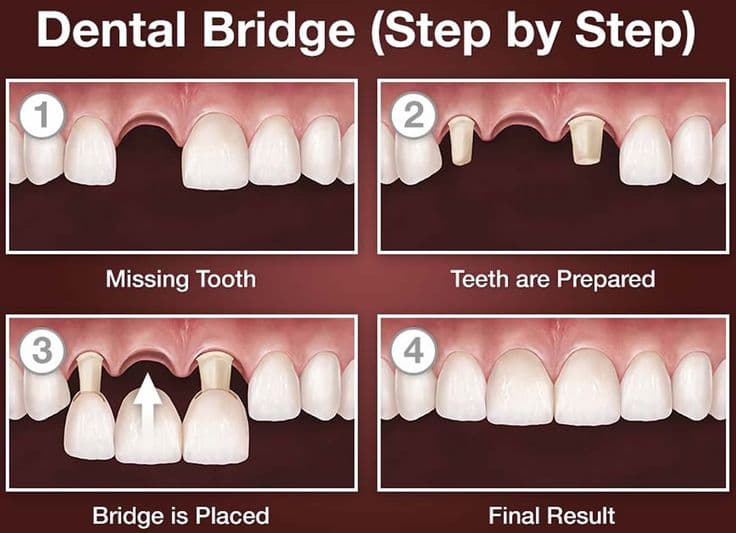
Your dentist will examine the teeth on either side of the gap (the abutment teeth). These are the teeth that will support your bridge. The dentist needs to make sure they are healthy and strong enough to carry this extra load. X-rays and sometimes 3D scans are taken to plan the exact design. Your dentist will also discuss the cost, timeline, and all your options during this visit.
Tooth Preparation
At the next appointment, your dentist will prep the abutment teeth. This involves gently removing some of the outer layer to create space for the crowns. Your mouth will be numb, so you will not feel pain. This creates smaller, cone-shaped versions of your original teeth, perfectly shaped to hold the bridge.
Impression and Temporary Bridge
Your dentist takes a detailed impression (mold) of your teeth and bite. This goes to a laboratory where skilled technicians hand-craft your custom bridge to match your exact color and shape. While you wait, a temporary bridge is placed to protect your teeth and maintain your bite. The temporary is not as strong as the final version, so you need to be a bit careful with it.
Bridge Placement and Cementation
After one to two weeks, your permanent bridge is ready. Your dentist will remove the temporary bridge and check the fit and bite of your new prosthesis. If everything looks perfect, a special dental cement is used to permanently bond the bridge to your teeth. From this moment on, your bridge becomes a permanent part of your smile. You are done!
Common Myths and Concerns About Fixed Prosthesis
"Will getting the bridge hurt?"
No. During tooth preparation, your mouth will be completely numb with anesthetic, so you will feel only pressure—no pain. After the procedure, you might have some mild sensitivity for a few days, but this is easily managed with over-the-counter pain relief. Most patients experience far less discomfort than they expected.
"Will my speech change?"
Because the bridge is custom-made to fit perfectly into your bite and tooth position, your speech should remain completely normal. There may be a tiny adjustment period of a few days as your tongue gets used to the new prosthesis, but word sounds will quickly feel natural again. Many patients do not notice any change at all.
"Will the bridge look fake?"
Absolutely not. Modern dental laboratories use advanced color matching technology and materials like high-quality porcelain that reflect light exactly like natural teeth. Your dentist will spend time ensuring the shade, shape, and texture match your existing teeth perfectly. Even your closest family members will not be able to tell the difference.
"Do I have to damage healthy teeth to make room for the bridge?"
Yes, and this is an important point to understand. The abutment teeth (the ones supporting your bridge) do need to be prepared by removing some of the outer tooth structure. This is permanent. For this reason, your supporting teeth must be very healthy. If there is any decay or weakness, it must be treated first. This is why many people now prefer implants when possible—they do not require modifying adjacent teeth.
"Can food get stuck under the bridge?"
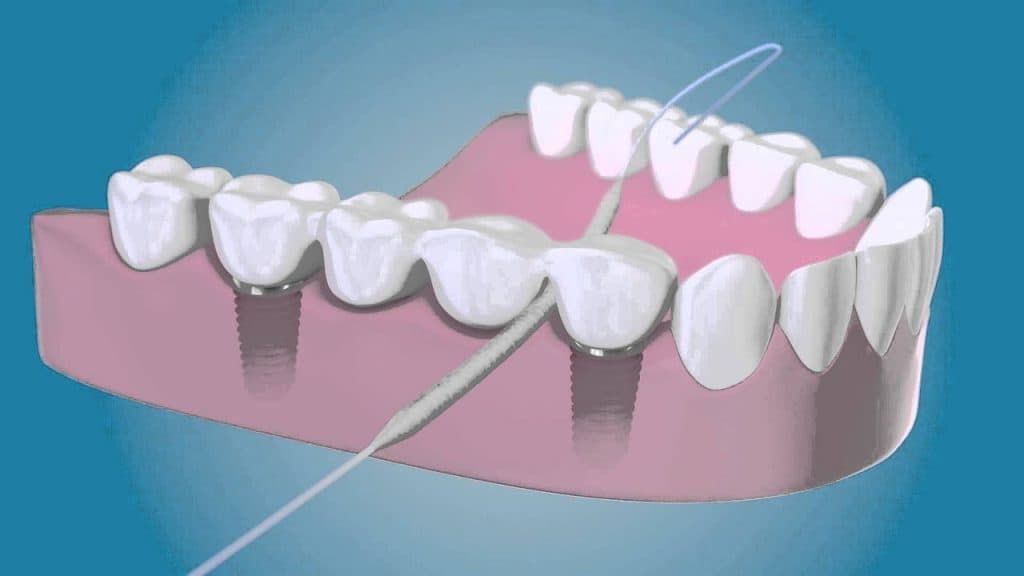
This is a real concern. Because the pontic (fake tooth) sits above the gum, food can sometimes become trapped underneath, especially if your bridge was not precisely designed or if your gums are already receding. This is why flossing is so important and why you may need a special floss threader or water flosser. Regular dental visits also help prevent this problem.
"Will the bridge eventually fail?"
Eventually, yes. Nothing in dentistry lasts forever. A well-made bridge can last 10-20 years or longer, but over time, the supporting teeth may develop problems, the cement may weaken, or the materials may wear down. The abutment teeth are also at higher risk for decay and root canals because they are under more stress. This is why regular dental care and checkups are essential.
How to Care for Your Fixed Prosthesis: The Complete Guide
The good news: caring for a fixed prosthesis is NOT significantly different from caring for natural teeth. The bad news: you actually need to be MORE careful because the supporting teeth are under additional stress. Here is what you need to do:
Daily Care
Professional Care
Why Fixed Prosthesis Are Popular in Jamaica
Here in Jamaica, fixed dental prosthesis have been a trusted solution for generations. There are several reasons why they remain so popular, even with newer technologies becoming available:
Is a Fixed Prosthesis Right for You?
Fixed prosthesis are excellent for many people, but they may not be the best choice for everyone. Consider the following:
Good Candidates
- You have one or two adjacent missing teeth
- Your supporting (adjacent) teeth are healthy
- You have adequate bone structure
- You want a quick solution
- You have a limited budget
May Want to Consider Alternatives
- Your supporting teeth are already compromised or weak
- You want to avoid modifying healthy teeth
- You have multiple missing teeth far apart
- You are willing to wait and want the longest-term solution
- You have significant bone loss in your jaw
The Bridge Awaits: Take Action Toward Your Perfect Smile
A missing tooth affects more than just your appearance. It impacts how you chew, how you speak, and perhaps most importantly, how you feel about yourself. Whether you are hiding your smile in photos, avoiding social situations, or struggling with the practical challenges of eating or speaking, you know deep down that something needs to change.
Fixed dental prosthesis represent one of the most elegant, time-tested, and reliable solutions in modern dentistry. They are not a temporary fix or a compromise. They are a proven way to reclaim your full smile, your confidence, and your quality of life.
The best time to address a missing tooth was yesterday. The second best time is today.
If you live in Montego Bay or anywhere in Jamaica and are tired of dealing with a gap in your smile, we encourage you to schedule a consultation at Top Dental Clinic. During this appointment, Dr. Yanelis Golbourne Durades and our experienced team will examine your specific situation, answer all your questions, and help you determine if a fixed prosthesis is the right choice for you.
We understand that making decisions about dental care can feel overwhelming, especially when you are weighing different options and considering costs. That is exactly why we take the time to listen to your concerns, educate you about your choices, and recommend the solution that best fits your needs, your budget, and your lifestyle.
Your smile is one of the first things people notice about you. It is the gateway to better social connections, increased confidence at work, and a brighter outlook on life. Do not let a gap in your teeth hold you back any longer. Reach out today and take the first step toward the smile you deserve.
Ready to Restore Your Smile?
Schedule your fixed dental prosthesis consultation today and discover how we can give you back your confidence and ability to eat the foods you love.