Dental Surgery Explained: Procedures, Preparation, Recovery, and What Patients Should Know
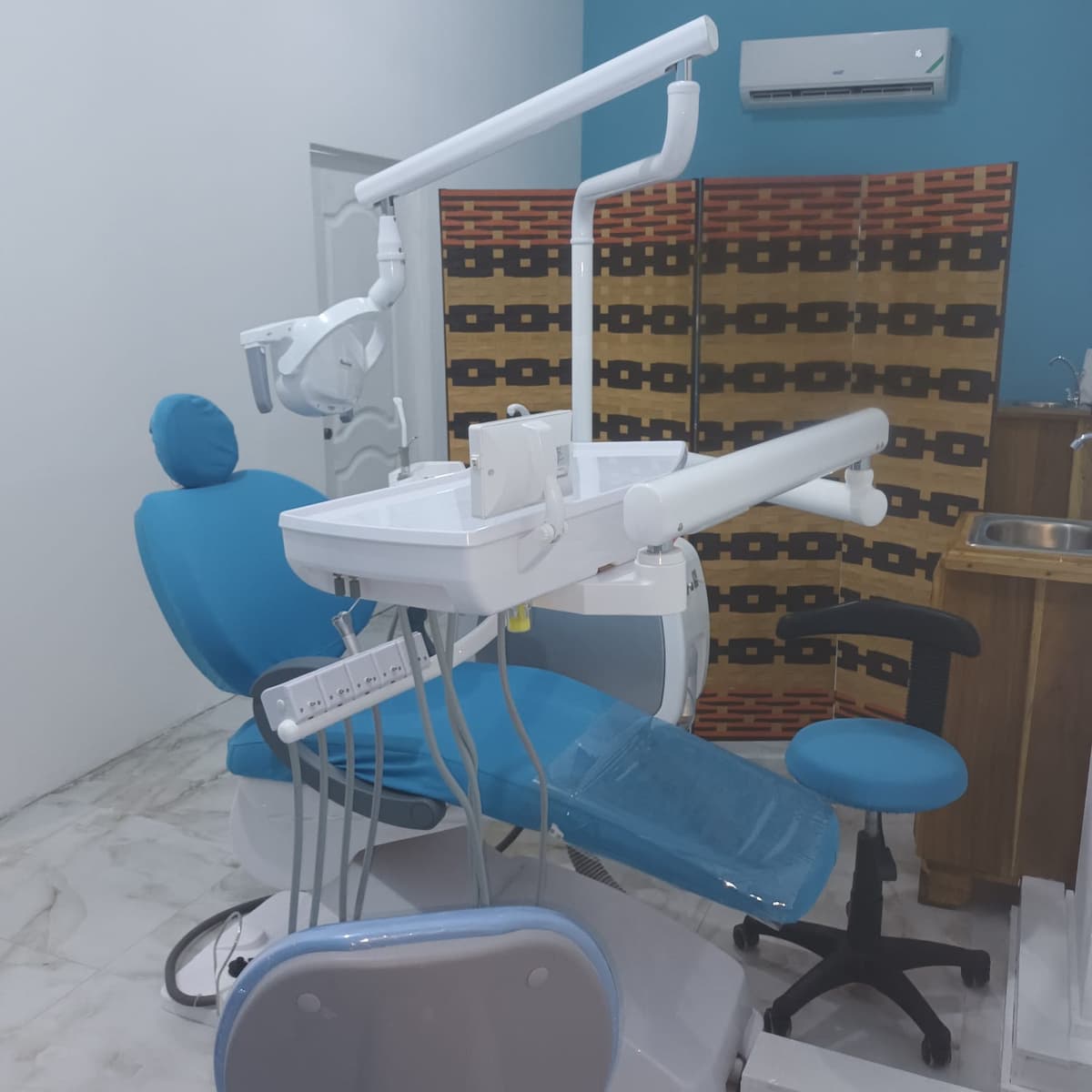
The words “dental surgery” can sound intimidating, but the term covers many different procedures. Some are brief treatments performed with local anaesthetic, while others require a more detailed plan and a longer recovery. The right approach depends on your diagnosis, medical history, the tooth or tissue involved, and your dentist’s assessment.
Dental surgery may be recommended to remove a tooth that cannot be saved, treat an infection, manage impacted wisdom teeth, repair gum or bone problems, or prepare the mouth for tooth replacement. The goal is not simply to perform a procedure. It is to relieve disease, protect surrounding tissues, restore function, and support your long-term oral health.
This guide explains the common questions patients ask before oral surgery in Jamaica: what happens first, how to prepare, what recovery can feel like, and which symptoms need prompt professional attention.
What Procedures Can Dental Surgery Include?
Your treatment plan should be based on an examination and appropriate imaging. Common procedures include:
Tooth Extraction
When a tooth is severely damaged, infected, impacted, or creating a risk to neighbouring teeth, removal may be the safest option. Your dentist will discuss replacement options when appropriate.
Wisdom Teeth Removal
Wisdom teeth may need treatment when they are impacted, repeatedly inflamed, difficult to clean, or associated with decay, cysts, or damage to nearby teeth. Not every wisdom tooth requires removal.
Surgical Treatment of Infection
An abscess or spreading dental infection needs timely assessment. Treatment may involve drainage, root canal therapy, extraction, or prescribed medication depending on the source and severity. Antibiotics alone do not remove the cause of most dental infections.
Implant and Bone-Related Procedures
Some patients need an implant procedure, bone preservation, or another preparatory treatment after tooth loss. These procedures require individual planning and a discussion of healing time, risks, alternatives, and maintenance.
Gum and Soft-Tissue Procedures
Surgical gum treatment may be considered for advanced periodontal disease, gum defects, or specific tissue concerns. The purpose is to control disease and protect the structures supporting your teeth.
How to Prepare for Dental Surgery
Share Your Complete Medical History
Tell the dental team about medications, allergies, pregnancy, diabetes, blood-thinning medicines, previous reactions to anaesthesia, and any medical conditions. Never stop a prescribed medicine unless the clinician managing it tells you to.
Ask What Type of Anaesthesia Is Planned
Many procedures use local anaesthetic to numb the treatment area. Sedation or general anaesthesia may be considered in selected situations and comes with specific instructions about eating, drinking, transport, and supervision.
Plan Your Recovery Time
Arrange transport if sedation is used, prepare soft foods, keep prescribed medication available, and follow the clinic’s written instructions. A planned recovery is safer than trying to manage everything immediately after treatment.
Understand Benefits, Risks, and Alternatives
Before consenting, ask why the procedure is recommended, what alternatives exist, how long healing may take, and what complications should be reported. Informed questions are part of good dental care.
Dental Surgery Recovery: What Usually Helps
Protect the Surgical Area
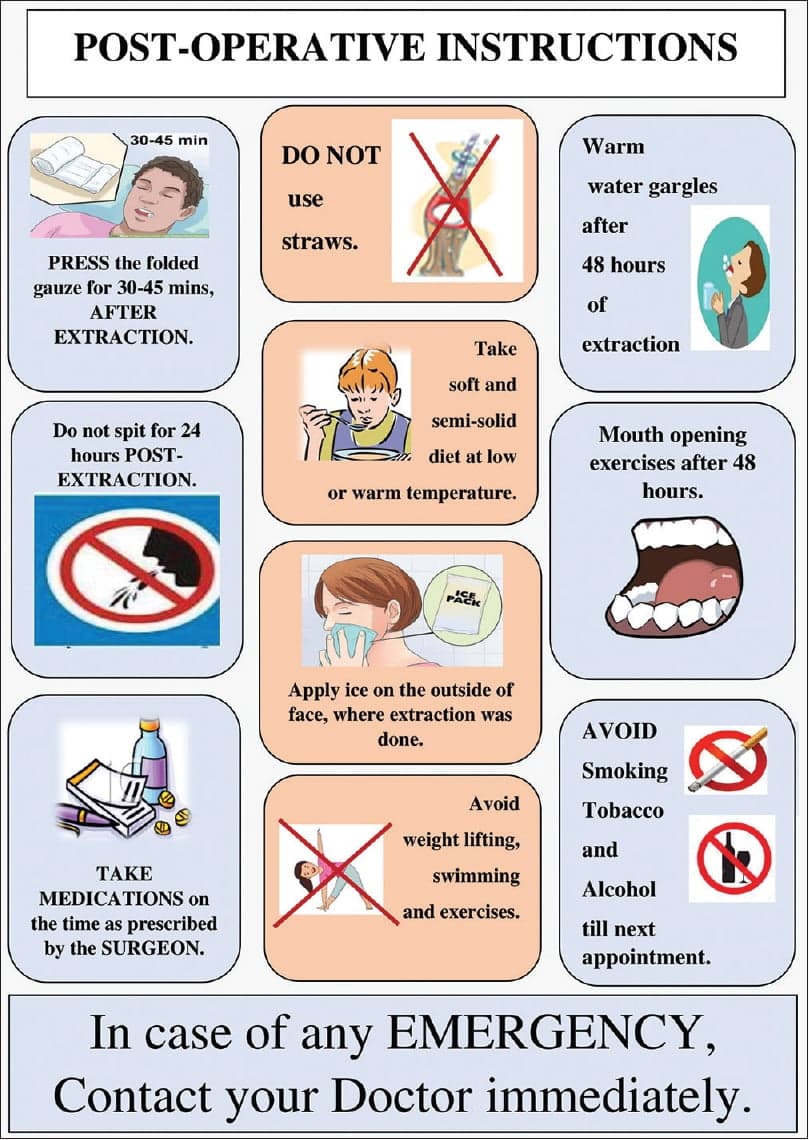
Follow instructions about gauze, rinsing, brushing, and wound care. After an extraction, avoid disturbing the blood clot because it is important for healing.
Manage Swelling Sensibly
Some swelling, tenderness, or limited jaw opening can occur. Use only the pain relief and cold-compress instructions recommended for you, and do not exceed medication directions.
Choose Gentle Foods
Soft, nourishing foods and adequate fluids can make the first days easier. Avoid very hot foods, smoking, tobacco, and alcohol while healing unless your clinician gives different instructions.
Keep Follow-Up Appointments
A follow-up allows the dental team to check healing, remove sutures when necessary, and address concerns early. Recovery timelines vary by procedure and by patient.
When Should You Contact the Dental Team?
Contact your clinic promptly if you have symptoms that are severe, worsening, or different from what you were told to expect.
Common Myths About Dental Surgery
Myth: Every dental surgery is extremely painful.
Reality: Anaesthesia is used to control pain during many procedures. Soreness afterward is possible, but your clinician can explain what is expected and how to manage it safely.
Myth: Antibiotics can replace dental treatment.
Reality: Antibiotics may be prescribed for selected infections, but they do not usually remove a damaged tooth, infected nerve, or other underlying source by themselves.
Myth: You should wait until an oral problem becomes painful.
Reality: Some infections, impacted teeth, and gum conditions can progress with few symptoms. An examination helps identify problems before they become emergencies.
Myth: Recovery is the same for everyone.
Reality: Procedure type, complexity, general health, medications, and personal healing all affect recovery. Your own instructions should take priority over generic online advice.

Dental Surgery in Jamaica: Choosing the Right Next Step
For patients in Montego Bay and across Jamaica, the safest starting point is a local consultation with a qualified dental team. A proper assessment can clarify whether surgery is necessary, whether another treatment may preserve the tooth, and what support will be available during recovery.
Individual Treatment Planning
Your diagnosis, medical history, imaging, and goals should guide the recommendation.
Clear Communication
You should understand the procedure, estimated recovery, aftercare, cost, and available alternatives before treatment.
Accessible Follow-Up
A nearby clinic makes it easier to ask questions and receive timely care if your recovery changes.
Good Surgery Starts with Good Information
Dental surgery is not one single treatment. It is a group of carefully planned procedures used to solve different problems, from damaged teeth and infections to impacted wisdom teeth and tooth replacement.
The best results begin with an accurate examination, honest communication, and careful aftercare. If you have pain, swelling, a broken tooth, or a concern about a recommended procedure, professional advice can help you make a confident decision.
Understanding the process is the first step toward safer, calmer, and more informed dental care.
Have Questions About Dental Surgery?
Schedule a consultation at Top Dental Clinic in Montego Bay to discuss your symptoms, treatment options, and recovery plan.