The Secret to Getting Your Smile Back: Everything You Need to Know About Dental Implants
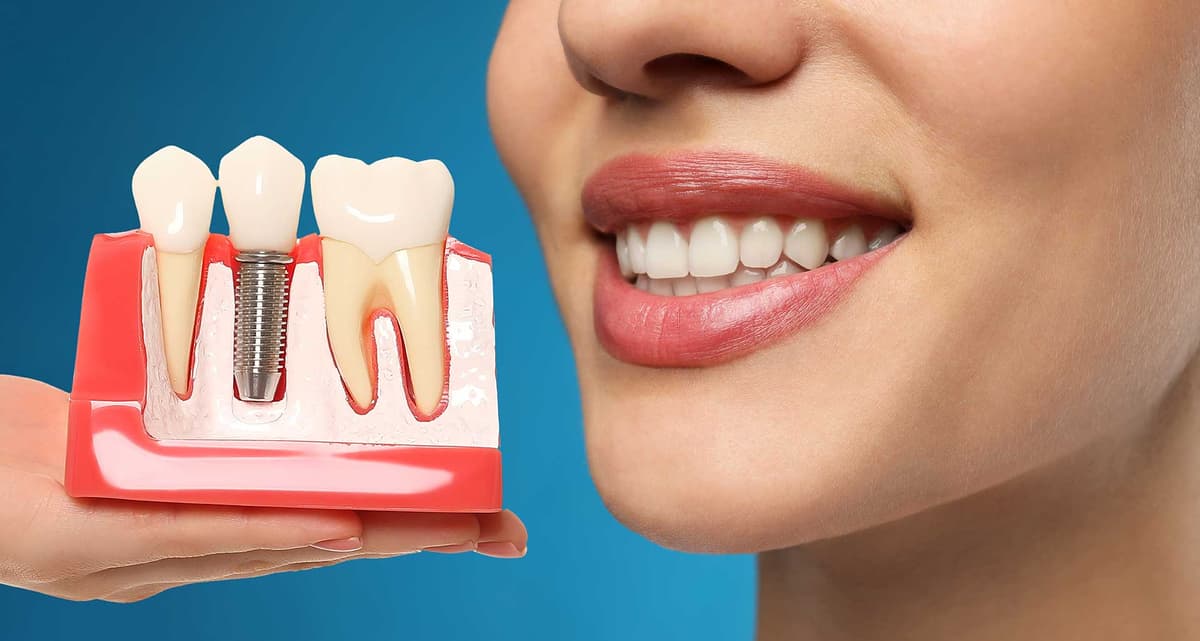
Imagine waking up one day, looking in the mirror, and seeing a full, strong, and bright smile. Think about how it would feel to stop hiding your mouth when you laugh, or to finally be able to chew your favorite foods without any pain or worry. There is a special kind of "magic" in modern medicine that makes this possible. It uses a tiny metal screw made of a very special material that your body actually welcomes as if it were a natural part of you.
But there is a small catch. There is a very important "secret" that decides if this new tooth will last for the rest of your life, or if it will fail. Surprisingly, most people have no idea what this secret is before they sit in the clinic's chair. We are going to reveal exactly what that secret is at the very end of this article. First, let's understand step by step how this amazing medical science works.
What Exactly Are Dental Implants?
To understand what Dental Implants are, picture a big, strong tree in a park. A strong tree does not just have a trunk and green leaves that you can see above the grass. It has deep, strong roots hidden under the ground. Those roots hold the tree tight so it does not fall over when the wind blows hard.
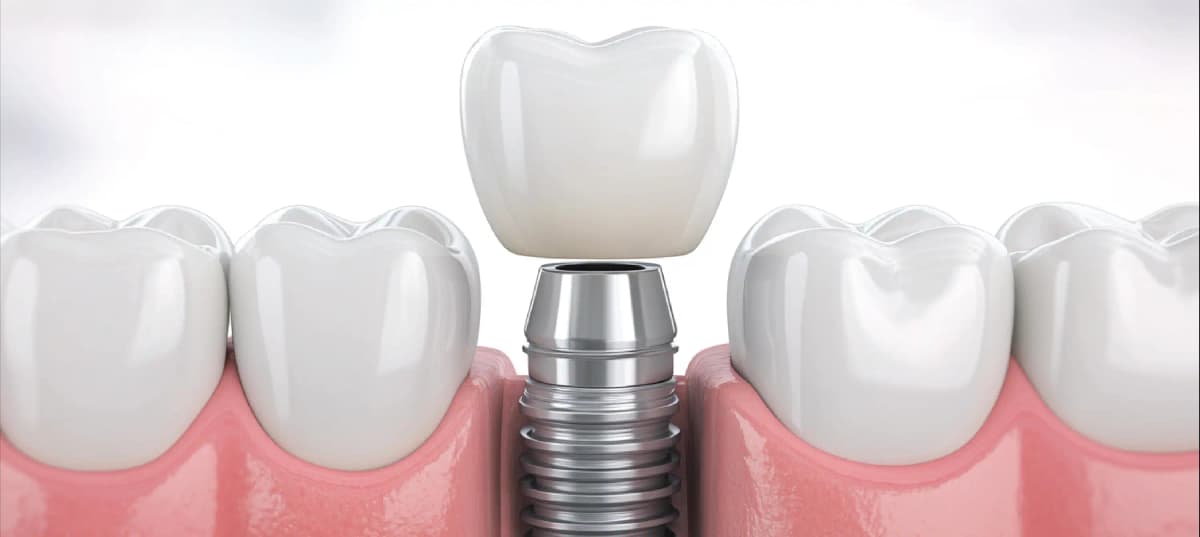
Your natural teeth work in the exact same way. They have a "crown" (the white part that you use to bite) and a "root" (the part hidden under your pink gums, holding tight to your jawbone). When you lose a tooth, you lose both the top part and the hidden root.
A dental implant is, in very simple words, a fake root. It is a tiny screw made of a safe metal called titanium. Doctors and scientists figured out a long time ago that titanium is like a superhero metal because our human bodies love it. Instead of fighting it or pushing it away, our natural bone actually grows around the titanium and hugs it super tightly. Once this metal root is stuck fast in your jaw, the doctor can put a brand new, fake tooth right on top of it. It will look, feel, and work exactly like a real tooth.
Why Is Losing a Tooth a Big Problem?
Sometimes, people lose a tooth because they got hit while playing a sport, had an accident, or maybe because they did not have good Dental Care when they were younger, and a bad cavity destroyed the tooth.
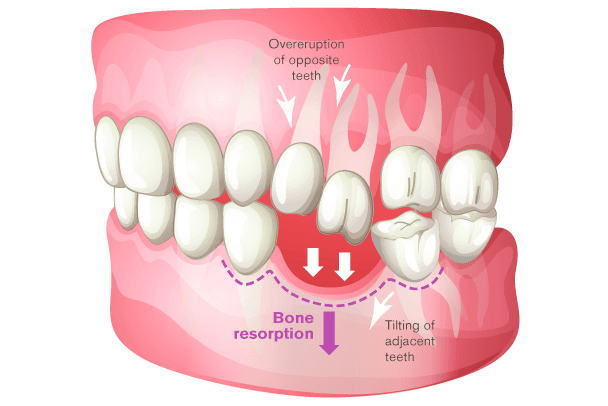
A lot of people think: "Well, it is just one tooth in the back. Nobody can see it when I smile, so it is fine if I just leave an empty space." But leaving an empty space in your mouth causes a giant chain reaction of problems. It is just like pulling a brick out of the bottom of a wall; eventually, the whole wall starts to get weak. Here is what happens:
Your other teeth start moving around
Teeth like to stand shoulder-to-shoulder, supporting each other. If there is a sudden empty gap, the teeth next door will start to lean over or slide into that empty space. This messes up your whole bite and makes your smile crooked.
Your bone melts away
This is a very interesting fact about the human body. Your jawbone needs to "work out" to stay strong, just like your muscles do. The exercise your jawbone gets is the hard pushing and pressing you do every time you chew food. When a tooth is missing, the bone right underneath it stops feeling that pressure. Your body thinks, "Oh, we don't need this piece of bone anymore," and it slowly starts to melt it away.
Eating and talking become hard
With fewer teeth, you cannot chew your food into tiny pieces. If you swallow big chunks of food, your stomach has to work extra hard, which can give you bad tummy aches. Also, your tongue pushes against your teeth to help you say certain words. Without them, you might start sounding different when you talk.
Step-by-Step: How Does the Process Work?
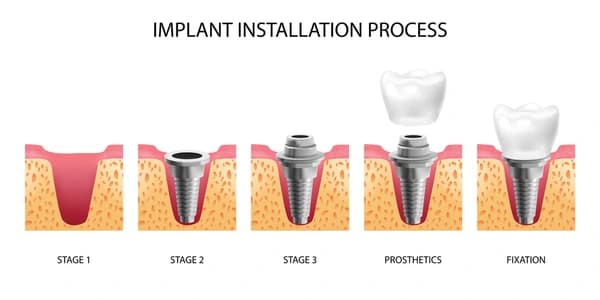
If you have an empty space in your smile and want to fix it, the journey is broken down into very clear, safe steps. It is not something that happens in just one afternoon, because your body needs time to heal properly.
The First Check-up
Everything starts with a simple Dentist Visit. During this first meeting, nobody is going to do any surgery. The doctor just wants to look inside your mouth. They will take special 3D computer pictures of your head. These pictures let the doctor look straight through your gums to see your bone. They need to check if you have enough "strong dirt" (healthy bone) to plant the new titanium seed.
Planting the New Root
If your bone looks thick and healthy, you will come back for the big day. The doctor will give your mouth special medicine so it falls completely asleep. You will not feel any pain at all. Then, the doctor makes a tiny little hole in the bone and gently twists the titanium screw into place. They put a few soft stitches in your gum to close it up like a blanket. You get to go home the very same day.
The Waiting Time and Body Magic
This is the most important step, and all you have to do is be patient. For the next three to six months, you will not see a new white tooth in your mouth. The metal screw stays hidden under your gum, sleeping. While you wait, an amazing bit of body magic happens. Your natural bone grows tightly around the grooves of the metal screw. They become best friends and lock together so tightly they cannot be pulled apart.
The New Tooth
Once the screw is completely locked into your bone, you return to the clinic. The doctor attaches a tiny connector piece to the top of the screw. Finally, they glue your brand-new, custom-made tooth onto that connector. This new tooth is painted and shaped to look exactly like your other teeth. Even your closest friends won't be able to tell it is fake!
Common Myths and Fears
Will it hurt a lot?
The honest answer is no. Because of the great medicine we have today, the area will be totally asleep while the doctor works. Many people say getting a new fake root hurts a lot less than getting a sick tooth pulled out! The next day, your cheek might feel a little puffy, but regular headache medicine is usually all you need to feel totally fine.
Will the tooth look fake or plastic?
Not at all. The part you chew with is usually made of a special material called porcelain. It catches the light and shines just like a real, wet tooth. A good Dentist will spend a lot of time matching the exact shade of white or yellow to perfectly match the rest of your mouth.
Am I too old to get this done?
There is no age limit! Whether you are 40, 60, or even 90 years old, you can get new teeth as long as your body is generally healthy. The only thing that really matters is how much bone you have left in your jaw, not how many birthdays you have celebrated.
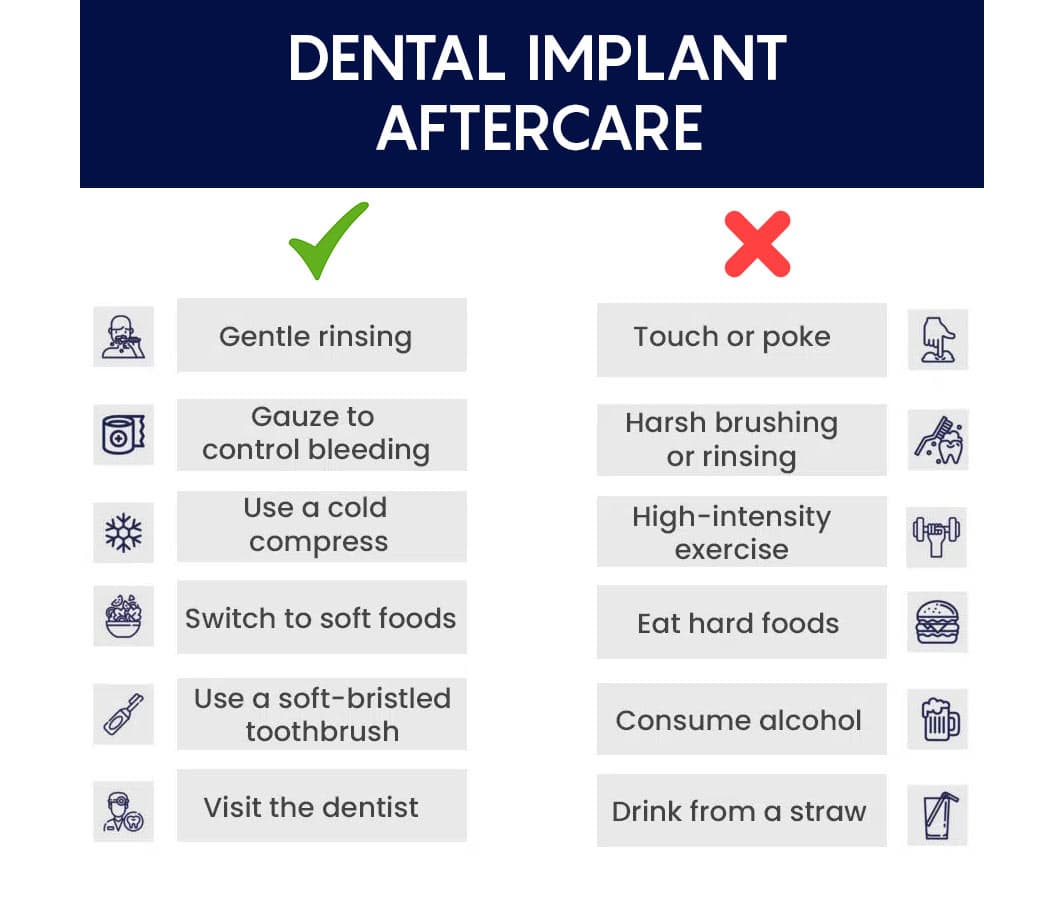
How to Take Care of Your New Teeth?
One of the coolest things about this medical invention is that you take care of it almost exactly like you take care of the teeth you were born with. You don't have to unscrew them at night or soak them in a glass of water by your bed.
Your daily routine should look like this:
If you follow those simple rules, your new smile can easily last for the rest of your life.
The Secret Revealed: What Makes It Work?
At the very beginning of this story, we promised to tell you the big secret that decides if this whole process will be a huge success.
The secret is not spending the most money on the shiniest titanium screw. The secret is not how beautiful the porcelain tooth looks on the outside.
The real secret to success is the quality of your bone, and your own patience.
We live in a world where everyone wants things done instantly. People want to walk into a clinic with missing teeth and walk out two hours later chewing on hard apples. While there are some special situations where a temporary tooth can be put on quickly, mother nature has strict rules.
If you force a new metal root to chew hard food before the bone has completely grown around it (during that 3 to 6 month waiting time in Step 3), the screw will wiggle. If it wiggles even a tiny bit, the bone will not hug it. The process will fail, and the screw will have to come out.
True success requires respecting your body's own healing clock. It requires keeping your mouth super clean while you heal, and waiting patiently for the magic of bone growth to happen. That is the one true key that separates the people who enjoy their new smile forever, from the people who run into trouble.
If you are tired of struggling to chew or hiding your laugh, modern dentistry has a brilliant, safe answer for you. Learning how your body works is the first big step to taking back control of your health and your happiness.
Ready to Restore Your Smile?
Schedule your dental implant consultation today and discover how we can give you back your confidence and ability to eat the foods you love.